
In an era defined by relentless productivity and digital overload, self-care has transitioned from a luxury to a critical component of sustainable success and mental wellbeing. Far more than occasional indulgence, self-care is a disciplined practice that fosters resilience, clarity, and long-term health. This guide explores the foundations of self-care, its profound impact on mental wellbeing, and actionable strategies to integrate it into daily life—supported by insights from experts and timeless wisdom.
Understanding Self-Care: Beyond the Cliché
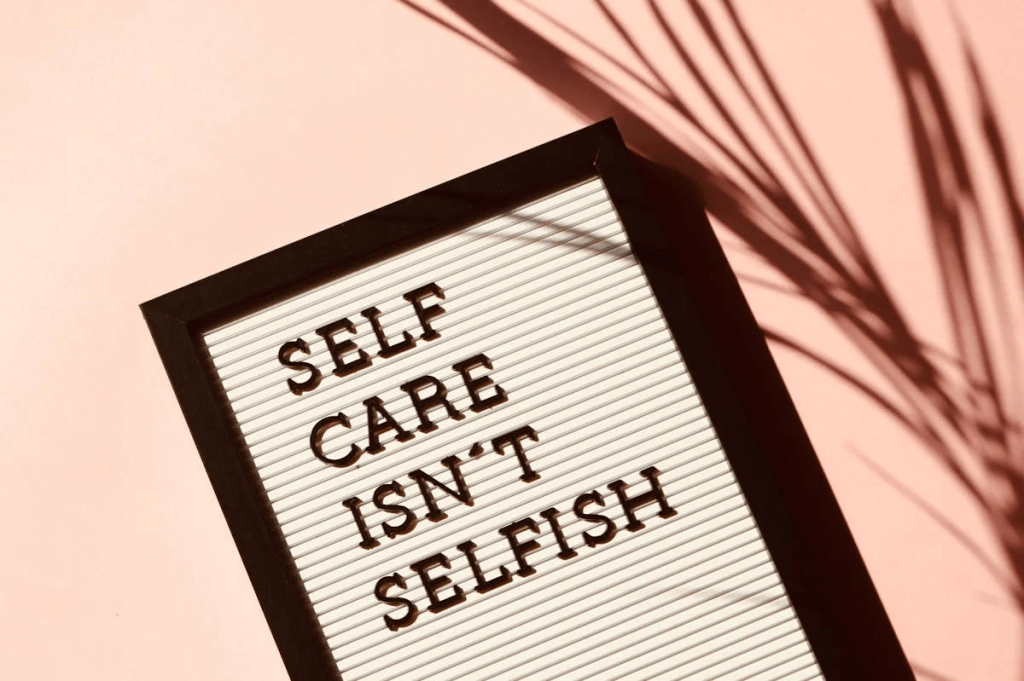
Self-care is the deliberate and ongoing practice of nurturing one’s physical, emotional, cognitive, and spiritual health. It is not an act of selfishness but a necessary discipline for maintaining equilibrium in an increasingly demanding world. As author Audre Lorde profoundly stated:
“Caring for myself is not self-indulgence, it is self-preservation, and that is an act of political warfare.”
This perspective reframes self-care as an essential resistance against burnout, stress, and systemic pressures that undermine wellbeing.
The Critical Link Between Self-Care and Mental Wellbeing
Mental wellbeing is not merely the absence of mental illness but a state of flourishing—where one experiences purpose, emotional regulation, and psychological resilience. Research consistently demonstrates that self-care practices significantly enhance mental health by:
- Reducing Stress and Anxiety – Chronic stress impairs cognitive function and weakens immunity. Regular self-care mitigates these effects by lowering cortisol levels.
- Preventing Burnout – The World Health Organization (WHO) recognizes burnout as an occupational phenomenon resulting from unmanaged stress. Self-care acts as a buffer.
- Enhancing Emotional Intelligence – Reflective practices (e.g., journaling, therapy) improve self-awareness and emotional regulation.
- Strengthening Relationships – Well-rested, emotionally balanced individuals engage more empathetically with others.
Psychologist Carl Jung emphasized the necessity of self-awareness in mental health:
“Who looks outside, dreams; who looks inside, awakes.”
Self-care, then, is the bridge between autopilot living and awakened, intentional existence.
How to Practice Self-Care: A Structured Approach
Effective self-care is personalized, consistent, and multidimensional. Below are evidence-based strategies across four key domains:
1. Physical Self-Care
- Prioritize Sleep – Aim for 7-9 hours nightly. Sleep deprivation exacerbates stress and impairs decision-making.
- Move Consciously – Exercise releases endorphins, reducing symptoms of depression. Even walking 30 minutes daily yields benefits.
- Nourish Your Body – A balanced diet supports brain function. Hydration and whole foods optimize mental clarity.
2. Emotional Self-Care
- Journaling – Writing about emotions reduces stress and enhances problem-solving (Pennebaker, 1997).
- Therapy & Support Networks – Professional counseling or trusted confidants provide emotional release and perspective.
- Boundary Setting – Saying “no” preserves energy and prevents resentment.
3. Cognitive Self-Care
- Digital Minimalism – Cal Newport’s research highlights how intentional tech use reduces anxiety.
- Continuous Learning – Engaging in new skills or hobbies stimulates neuroplasticity.
- Gratitude Practice – Studies link gratitude journals to increased happiness (Emmons & McCullough, 2003).
4. Spiritual Self-Care
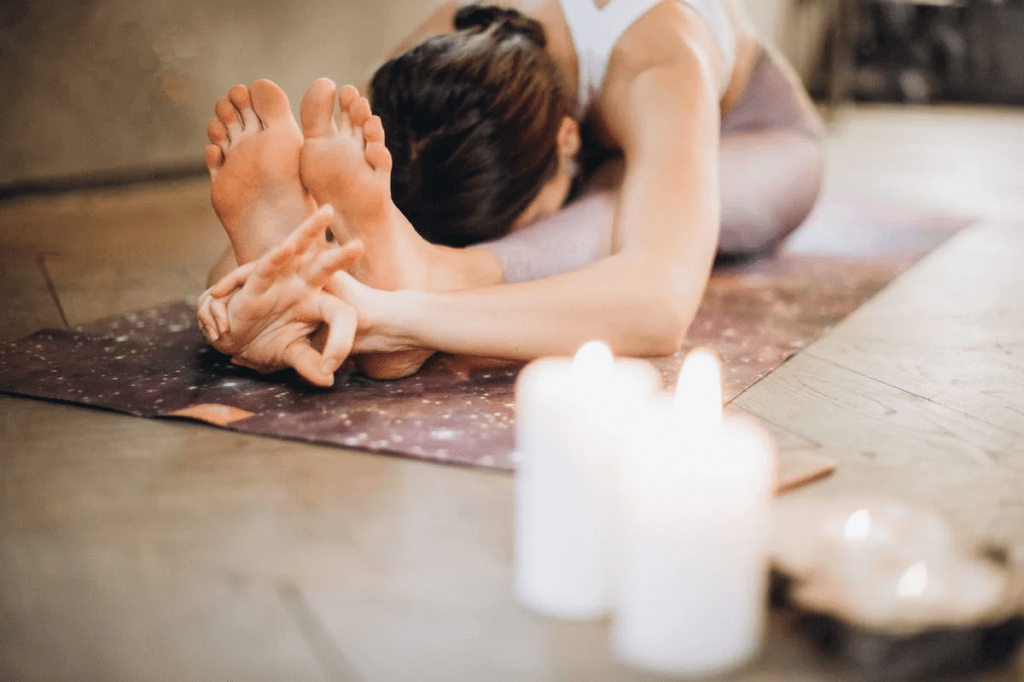
- Meditation & Mindfulness – Lowers amygdala reactivity, reducing stress (Davidson et al., 2003).
- Nature Immersion – Forest bathing (shinrin-yoku) decreases cortisol and enhances mood.
- Purpose Reflection – Viktor Frankl’s logotherapy underscores meaning as a mental health pillar.
Mindfulness: The Keystone of Mental Wellbeing
Mindfulness—the nonjudgmental awareness of the present moment—is a cornerstone of self-care. Neuroscientific research confirms its benefits for focus, emotional regulation, and stress reduction.
Key Practices:
- Breathwork – The 4-7-8 technique (inhale 4 sec, hold 7, exhale 8) activates the parasympathetic nervous system.
- Body Scan Meditation – Progressive muscle relaxation reduces physical tension linked to anxiety.
- Mindful Eating – Eating slowly improves digestion and satisfaction with meals.
The Long-Term Benefits of Self-Care
Individuals who prioritize self-care report:
- Higher productivity and creativity
- Improved immune function
- Greater emotional resilience in adversity
- Enhanced life satisfaction
Conclusion: A Call to Action
Self-care is not indulgence—it is the foundation of mental wellbeing and sustainable achievement. Begin with one practice: a nightly digital detox, a morning mindfulness ritual, or a weekly self-reflection hour. Small, consistent steps yield profound transformations.
Your wellbeing is the lens through which you experience the world. Prioritize it.
Further Reading:
- The Body Keeps the Score – Bessel van der Kolk (trauma-informed self-care)
- Digital Minimalism – Cal Newport (cognitive self-care)
- Wherever You Go, There You Are – Jon Kabat-Zinn (mindfulness)
