
In an era of constant distractions and stress, meditation has emerged as a powerful tool for mental clarity, emotional balance, and overall well-being. Rooted in ancient traditions and validated by modern neuroscience, meditation is no longer just a spiritual practice—it’s a scientifically supported method for enhancing focus, reducing anxiety, and improving quality of life.
This comprehensive guide explores:
- What meditation is and how it works
- Step-by-step instructions for beginners
- Different types of meditation (and how to choose the right one)
- The science-backed benefits of meditation
- Common challenges and how to overcome them
What Is Meditation?
Meditation is a mental practice that involves focusing attention to achieve a state of clarity, relaxation, and heightened awareness. Unlike passive relaxation, meditation is an active training of the mind to cultivate mindfulness, emotional regulation, and presence.
How Meditation Works
- Neuroplasticity: Regular meditation rewires the brain, strengthening areas linked to focus and emotional control while reducing stress-related activity in the amygdala.
- Stress Reduction: Lowers cortisol levels and activates the parasympathetic nervous system (the “rest and digest” mode).
- Enhanced Awareness: Shifts the brain from default “autopilot” thinking to intentional presence.
How to Meditate: A Step-by-Step Guide for Beginners
1. Choose a Quiet Space
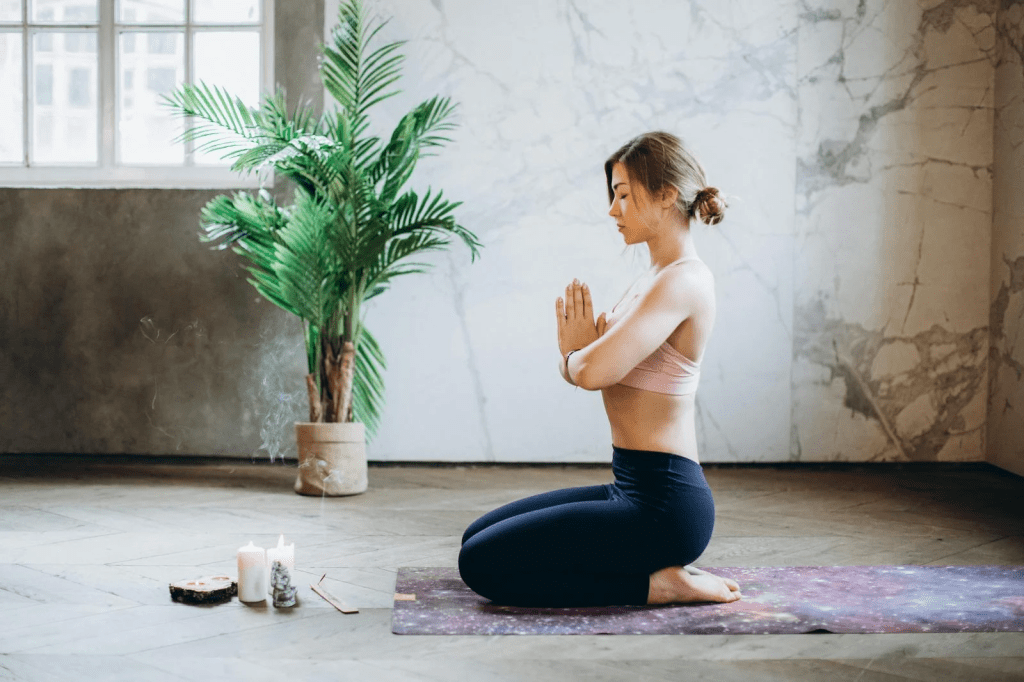
Find a calm environment free from distractions. Sit comfortably—on a cushion, chair, or floor—with your spine straight but relaxed.
2. Set a Time Limit
Start with 5–10 minutes daily, gradually increasing to 20–30 minutes.
3. Focus on Your Breath
- Close your eyes and take slow, deep breaths.
- Observe the natural rhythm of your inhales and exhales.
- When your mind wanders (it will), gently return focus to your breath.
4. Use a Mantra (Optional)
Silently repeat a calming word or phrase (e.g., “peace,” “om”) to anchor attention.
5. End Mindfully
Before opening your eyes, take a moment to notice how you feel. Carry this awareness into your day.
Types of Meditation: Finding the Right Practice
1. Mindfulness Meditation
- What it is: Observing thoughts and sensations without judgment.
- Best for: Stress reduction, anxiety management.
- How to practice: Focus on breath or body sensations; acknowledge distractions without reacting.
2. Transcendental Meditation (TM)
- What it is: Silent repetition of a personalized mantra.
- Best for: Deep relaxation, creativity enhancement.
- How to practice: Sit comfortably, repeat mantra effortlessly for 20 minutes twice daily.
3. Loving-Kindness (Metta) Meditation
- What it is: Cultivating compassion for oneself and others.
- Best for: Emotional healing, reducing anger.
- How to practice: Silently recite phrases like, “May I be happy. May you be safe.”
4. Body Scan Meditation
- What it is: Progressive focus on different body parts to release tension.
- Best for: Physical relaxation, chronic pain.
- How to practice: Mentally scan from head to toe, noticing sensations without judgment.
5. Guided Meditation
- What it is: Follow audio/video instructions (apps like Headspace or Calm).
- Best for: Beginners, sleep improvement.
6. Zen (Zazen) Meditation
- What it is: Seated, breath-focused practice with strict posture.
- Best for: Discipline, deepening concentration.
7. Movement Meditation (Yoga, Tai Chi, Walking)
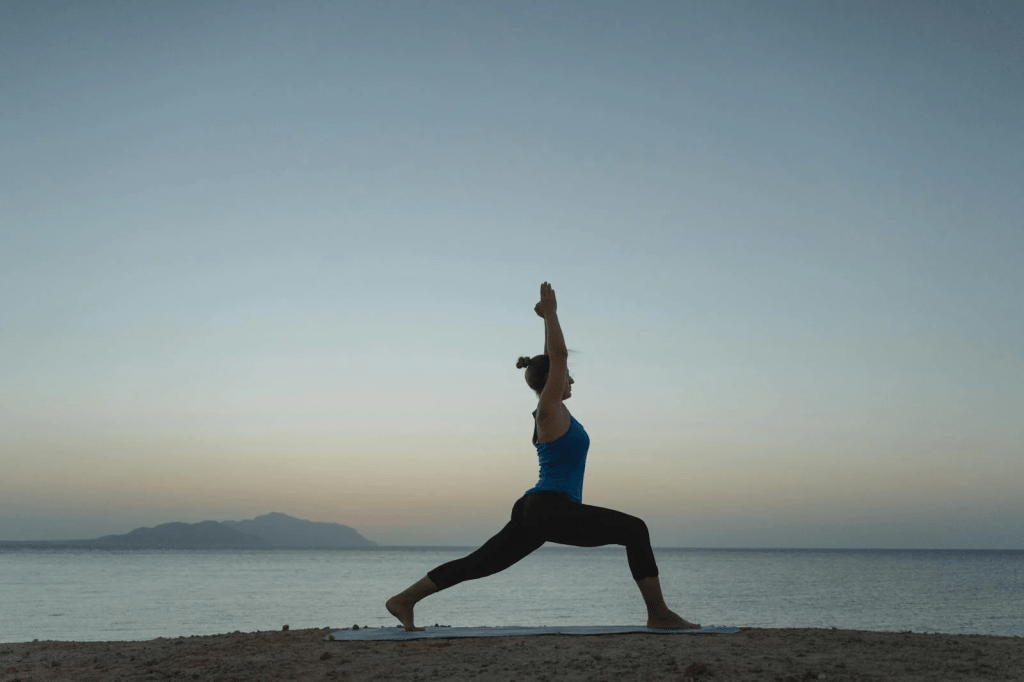
- What it is: Mindful movement synchronizing breath and motion.
- Best for: Those who struggle with stillness.
Science-Backed Benefits of Meditation
- Reduces Stress & Anxiety
- Studies show mindfulness meditation decreases cortisol by up to 30% (Harvard Medical School).
- Improves Focus & Memory
- Regular practice thickens the prefrontal cortex, enhancing attention span.
- Lowers Blood Pressure
- Meditation activates the parasympathetic nervous system, reducing hypertension.
- Enhances Emotional Resilience
- Reduces reactivity to negative stimuli (Journal of Cognitive Neuroscience).
- Boosts Immunity
- Linked to increased antibody production (Psychosomatic Medicine).
Common Challenges & Solutions
| Challenge | Solution |
|---|---|
| “I can’t stop thinking.” | Thoughts are normal—gently refocus. |
| “I fall asleep.” | Meditate sitting up, not in bed. |
| “I don’t have time.” | Start with 2 minutes; prioritize AM. |
| “It feels pointless.” | Track subtle changes over weeks. |
Conclusion: Making Meditation a Habit
Meditation is a skill—consistency matters more than perfection. Begin with short sessions, experiment with styles, and observe the mental, emotional, and physical shifts. As Jon Kabat-Zinn says:
“You can’t stop the waves, but you can learn to surf.”
Next Steps:
- Download a meditation app (e.g., Insight Timer, Waking Up).
- Join a local or virtual meditation group.
- Commit to 7 days of practice and journal the effects.
Further Reading:
- The Miracle of Mindfulness – Thich Nhat Hanh
- Wherever You Go, There You Are – Jon Kabat-Zinn
- The Science of Meditation – Daniel Goleman & Richard Davidson
